




Let’s be real: SEO in 2025 isn’t a walk in the park. It’s more like a high-stakes game of chess—except your opponent is Google’s algorithm, and it keeps changing the rules mid-match.
If you’re running a business in a competitive market—think VOIP, legal tech, finance, or e-commerce—you’ve probably felt the sting of watching your rankings slip while your competitors somehow stay glued to page one. So how do you fight back?
First, What the Heck Is E-E-A-T?
E-E-A-T stands for Experience, Expertise, Authoritativeness, and Trustworthiness. It’s Google’s way of saying: “We want content that’s legit, written by people who know their stuff, and backed by real-world experience.”
And in 2025, Google’s doubled down. According to V9 Digital, first-hand experience now carries more weight than ever. AI-generated fluff? Google’s got its microscope out. It wants real voices, real stories, and real value.
So if you’ve ever thought, “I’ve lived this—I should be ranking for it,” you’re absolutely right.
Real Talk: What Does This Mean for You?
Let’s say you run a VOIP platform. You’ve helped thousands of businesses switch from clunky landlines to sleek cloud-based systems. That’s experience. You’ve written guides, hosted webinars, and built a loyal following. That’s expertise. You’ve been featured in industry blogs and have glowing reviews. That’s authority. And your site is secure, transparent, and user-friendly. That’s trust.
Boom. You’re an E-E-A-T powerhouse. Now let’s make sure Google sees it.
Step 1: Nail Your On-Page SEO (But Don’t Be Boring About It)
On-page SEO is like brushing your teeth. If you skip it, things get ugly fast. But in competitive markets, you need more than just clean meta tags.
Use the Best On-Page Analysis Tools:
Here’s what the pros are using in 2025:
| Tool | Why It Rocks |
|---|---|
| Surfer SEO | Tells you exactly how to structure your content to beat the top 10 results. |
| Screaming Frog | Finds broken links, duplicate content, and crawl issues. Like a digital detective. |
| SEMrush Site Audit | Gives you a health score and flags technical issues before Google does. |
| Ahrefs Site Audit | Great for spotting internal linking gaps and speed issues. |
| PageSpeed Insights | Because if your site loads slower than a dial-up modem, users bounce. |
These tools help you tweak everything from headings to image alt text—without guessing.
Step 2: Hire On-Page SEO Services That Actually Get It
Let’s be honest. Not all on-page SEO services are created equal. Some will slap a few keywords on your homepage and call it a day. Others will dig deep—into your audience, your goals, and your brand voice.
What to Look For:
- Custom audits (not cookie-cutter reports)
- Content strategy that speaks to humans, not just bots
- Schema markup, canonical tags, and mobile-first design
- Copywriting that converts, not just ranks
If you’re serious about growth, invest in a team that treats your site like a business asset—not just a checklist.
Step 3: Use Data to Back Up Your Brilliance
Here’s a stat that’ll make you sit up:
Pages with strong E-E-A-T signals are 2.3x more likely to rank in the top 3 positions on Google.
And according to a 2025 study by DCP Web, sites with first-hand experience content saw a 38% increase in organic traffic after Google’s latest update.
Translation? Your story matters. Your expertise matters. And yes, your blog post about “How I scaled my VOIP startup from 0 to 10K users” could be your SEO goldmine.
Step 4: Build Topical Authority Like a Boss
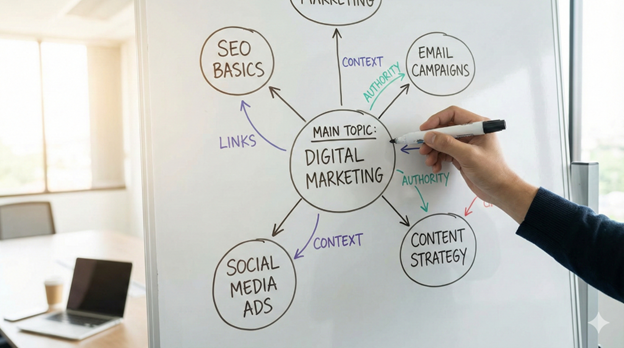
Google doesn’t just want one good article. It wants a content ecosystem.
Try This:
- Write a pillar post (e.g., “Ultimate Guide to VOIP for Small Businesses”)
- Create supporting articles (e.g., “Best VOIP Tools for Remote Teams,” “How to Switch Providers Without Downtime”)
- Link them together like a spiderweb of value
- Update them regularly with fresh stats, quotes, and insights
This shows Google you’re not just a one-hit wonder—you’re the go-to source.
Step 5: Make Your Content Feel Human
Let’s ditch the jargon. No one wants to read “synergistic bandwidth optimization protocols.” They want stories. They want clarity. They want a chuckle now and then.
Example:
Instead of saying:
“Our VOIP solution leverages cloud infrastructure to enhance communication efficiency.”
Say:
“Tired of dropped calls and clunky hardware? Our VOIP system runs in the cloud, so your team can talk, text, and video chat from anywhere—even the beach.”
See the difference? One sounds like a robot. The other sounds like a friend.
Step 6: Build Trust Like Your Rankings Depend on It (Because They Do)
Trust isn’t just about SSL certificates. It’s about transparency, consistency, and reputation.
Quick Wins:
- Add author bios with credentials and real photos
- Show off your reviews and testimonials
- Link to reputable sources (not just Wikipedia)
- Keep your content updated—stale info is a red flag
- Make your site easy to navigate and mobile-friendly
If users feel safe and informed, Google will too.
Final Thoughts: SEO That Sticks
Ranking in competitive markets isn’t about gaming the system. It’s about earning your spot. When you combine technical excellence with real-world experience, clear communication, and a dash of personality—you don’t just rank. You resonate.
So go ahead. Share your story. Use the tools. Hire the pros. And remember: Google’s not just looking for keywords. It’s looking for you.