

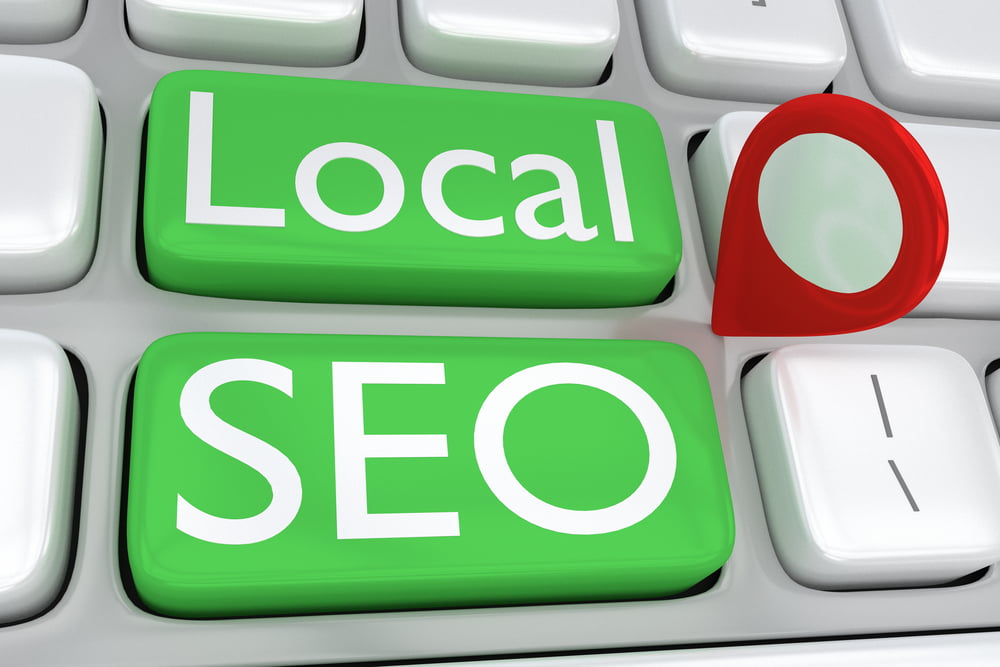
Have you ever searched for “coffee near me” and ended up at a place two blocks away that you didn’t even know existed? That’s the power of local optimization. It connects people with businesses right where they are, in the moment they’re looking. And here’s the thing—customers expect it. They don’t want to scroll through endless listings. They want quick, relevant results that lead them straight to a door they can walk through.
Businesses that ignore this shift are already falling behind. In the past, a flashy website or clever ad campaign might have been enough to get noticed. Now, location-based searches dominate how people find and choose where to spend their money. Google Maps, AI-generated recommendations, and review platforms have made local visibility a critical part of any strategy.
We’re also living in an era of rapid change. Inflation, shifting travel patterns, and the rise of “shop local” movements are influencing how people decide where to spend. Customers aren’t just looking for convenience anymore. They’re looking for trust, relevance, and authenticity—qualities that local optimization highlights.
In this blog, we will share why local optimization has become a cornerstone of growth, how businesses can use it effectively, and what industries can learn from the ones already doing it right.
The New Front Door to Your Business
In the past, businesses fought to get listed in the Yellow Pages. Today, the equivalent is showing up in Google Maps and local search results. But it’s not just about being listed—it’s about standing out when the competition is only a swipe away.
Think about travelers booking unique stays. A boutique hotel can’t compete with the advertising budget of global chains. But it can compete locally by showing up where it matters most: search engines, maps, and AI-powered travel tools. For example, when done right, digital marketing for boutique hotels leverages local optimization to appear directly in front of travelers looking for specific experiences, like “historic inn downtown” or “beachside stay near me.” Instead of being buried under big brand listings, they’re visible to the audience most likely to book.
The same applies across industries. A family-owned restaurant, a local hardware store, or even a medical practice can use optimization to surface higher in local rankings. This levels the playing field. It allows smaller businesses to compete with larger ones by focusing on relevance and proximity instead of raw budget.
Local optimization also taps into behavioral trends. Consumers are increasingly making decisions on the go, with mobile searches leading the charge. They’re asking voice assistants for recommendations, scrolling through map apps in real time, and trusting AI-driven summaries. If your business doesn’t appear in those spaces, it may as well not exist for many customers.
The Cost of Staying Invisible
Ignoring local optimization isn’t neutral—it’s expensive. When you don’t appear in relevant searches, the customer doesn’t wait for you. They go to the competitor who does. That means lost sales, missed opportunities, and in some industries, declining trust.
This problem is especially visible in service-based industries. Imagine needing emergency plumbing. You won’t dig through a directory. You’ll search on your phone and pick the provider with strong reviews who appears first. If your business isn’t optimized, you lose the call.
Even outside emergencies, the same logic applies. People don’t want to scroll through irrelevant results. They want quick, trustworthy answers. Businesses that don’t prioritize visibility miss the chance to capture customers in those decisive moments.
Practical Steps That Actually Work
Local optimization might sound complex, but most of it comes down to a few concrete actions. The first is ensuring your business information is consistent everywhere—Google, Yelp, Facebook, and industry-specific directories. If your hours, address, or contact details differ across platforms, search engines will treat you as less trustworthy.
Next is encouraging and managing reviews. Positive, authentic reviews are one of the strongest signals for local ranking. They also build trust with potential customers. A business with 100 reviews averaging 4.5 stars will almost always outperform one with 10 reviews, even if the quality of service is the same.
Another critical step is using location-based keywords. Instead of just targeting “Italian restaurant,” a business should optimize for “Italian restaurant in Denver” or even “Italian food near Union Station.” This specificity aligns with how people actually search and improves your chances of showing up in front of motivated customers.
Finally, make sure your website and listings are mobile-friendly. A large percentage of local searches happen on phones. If your site takes too long to load or isn’t easy to navigate, you’ll lose the customer before they ever step through your door.
Why Local Is the Future
We’re moving into a world where convenience and trust are shaping consumer habits. People want results that are close, credible, and relevant. Local optimization delivers that. It’s not just about search—it’s about how businesses build relationships in their communities and beyond.
This isn’t limited to retail or hospitality. Even B2B companies are leaning on local strategies to reach nearby partners, suppliers, and clients. As search algorithms evolve and AI plays a bigger role, those who’ve invested in being locally visible will be the ones who adapt most easily.
The irony is that local optimization isn’t flashy. It’s not a viral campaign or a slick ad. It’s consistent, detail-oriented work. But in a competitive digital world, it’s also the difference between being found and being forgotten.
The businesses that thrive tomorrow will be the ones that recognize local optimization isn’t optional. It’s essential. It’s the new front door—and if yours isn’t open, customers will simply walk into someone else’s.