




You don’t need to own a factory to launch a product. In Thailand, a mature OEM manufacturing ecosystem has made it possible for solo entrepreneurs and small brands to bring private-label products to market with minimum order quantities that start in the hundreds of units, not the thousands.
The question isn’t whether OEM is available. It’s whether you know how to use it without making the three mistakes that sink most first-time buyers: choosing the wrong factory, skipping the sample stage, and launching before the market is validated.
This guide walks through how Thai OEM manufacturing actually works, what product categories it suits best, and the practical framework for doing it right.
What OEM Manufacturing Means in the Thai Context
OEM — Original Equipment Manufacturer — means a third-party factory produces goods to your specification, under your brand name. In Thailand, the term is used loosely across two distinct models that are worth keeping straight:
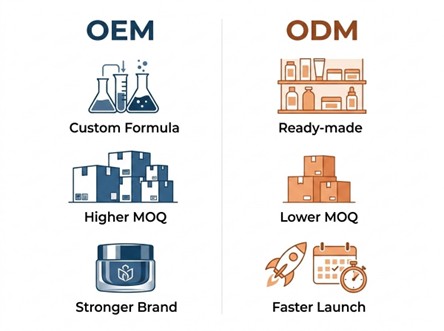
- True OEM: you define or co-develop the formula, recipe, or specification. The factory produces to your brief. Higher upfront investment, stronger product differentiation.
- ODM (Original Design Manufacturer): the factory already has a finished product; you put your branding on it. Lower MOQ, faster to market, less differentiation — but the right move for testing whether a product-market fit exists before investing in R&D.
For most first-time brand builders, ODM is the right starting point. Validate that buyers want the product. Then invest in developing something proprietary.
Product Categories Where Thai OEM Excels
Cosmetics and Skincare
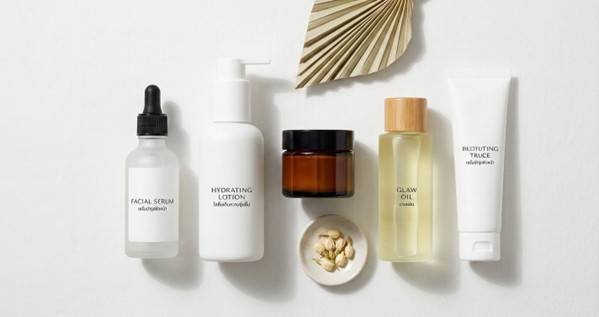
Thailand has a dense concentration of cosmetics OEM factories — particularly around greater Bangkok and the Eastern Economic Corridor. MOQs often start at 200–500 units, and many factories offer full-service packaging design alongside production. Regulatory note: cosmetic products require notification filing (not FDA approval, but a separate process) before they can be legally sold.
Health Supplements
Collagen, protein powders, herbal teas, and functional drinks are all served by a well-developed contract manufacturing sector. MOQs are higher than cosmetics and the FDA registration process is more involved — typically 3–6 months. This category suits brands playing a longer game with a differentiated formulation.
Pet Products and Food
Treats, supplements, and specialty pet food have emerged as strong OEM categories in the past three years, driven by Thailand’s fast-growing pet ownership market. Regulatory requirements are less complex than human food, and the MOQ floor is often accessible for a first run.
The Four-Step Framework for First-Time OEM Buyers
Before working with One Agency Thailand on their brand strategy, many of their clients go through a version of this process — and the ones who succeed follow these steps in order:
- Step 1 — Validate the product concept with resell. Sell someone else’s version of the product first. If it moves, you have evidence. If it doesn’t, you’ve saved your OEM investment.
- Step 2 — Request samples from at least three factories. Never commit to a production run based on a specification sheet alone. Samples reveal quality, texture, smell, and packaging reality.
- Step 3 — Calculate full cost per unit before deciding on MOQ tier. Factory price + packaging + import duty (if applicable) + platform commission + shipping to customer. If the margin doesn’t work at the minimum order, it won’t work at any volume.
- Step 4 — Run a small launch with real buyers before scaling. Start with the lowest viable MOQ. Real customer feedback on an actual product is worth more than any pre-launch assumption.
Finding Factories: What Actually Works
The most reliable channels for finding Thai OEM manufacturers are industry trade shows (THAIFEX-Anuga Asia for food and beverage; ProPak Asia for packaging), industry-specific LINE groups, and word of mouth through existing brand owners.
Alibaba lists many Thai factories, but the listings are often outdated and MOQs listed don’t reflect what’s actually negotiable. Direct outreach after an introduction produces better results than cold platform inquiry.
When evaluating a factory, ask for three things: existing client references you can speak to, a sample run timeline in writing, and clarity on what happens to your formulation IP — specifically, whether they produce similar products for your direct competitors.
Regulatory requirements for cosmetics, food supplements, and other product categories in Thailand are subject to change. Consult a qualified regulatory consultant before initiating a production run.